
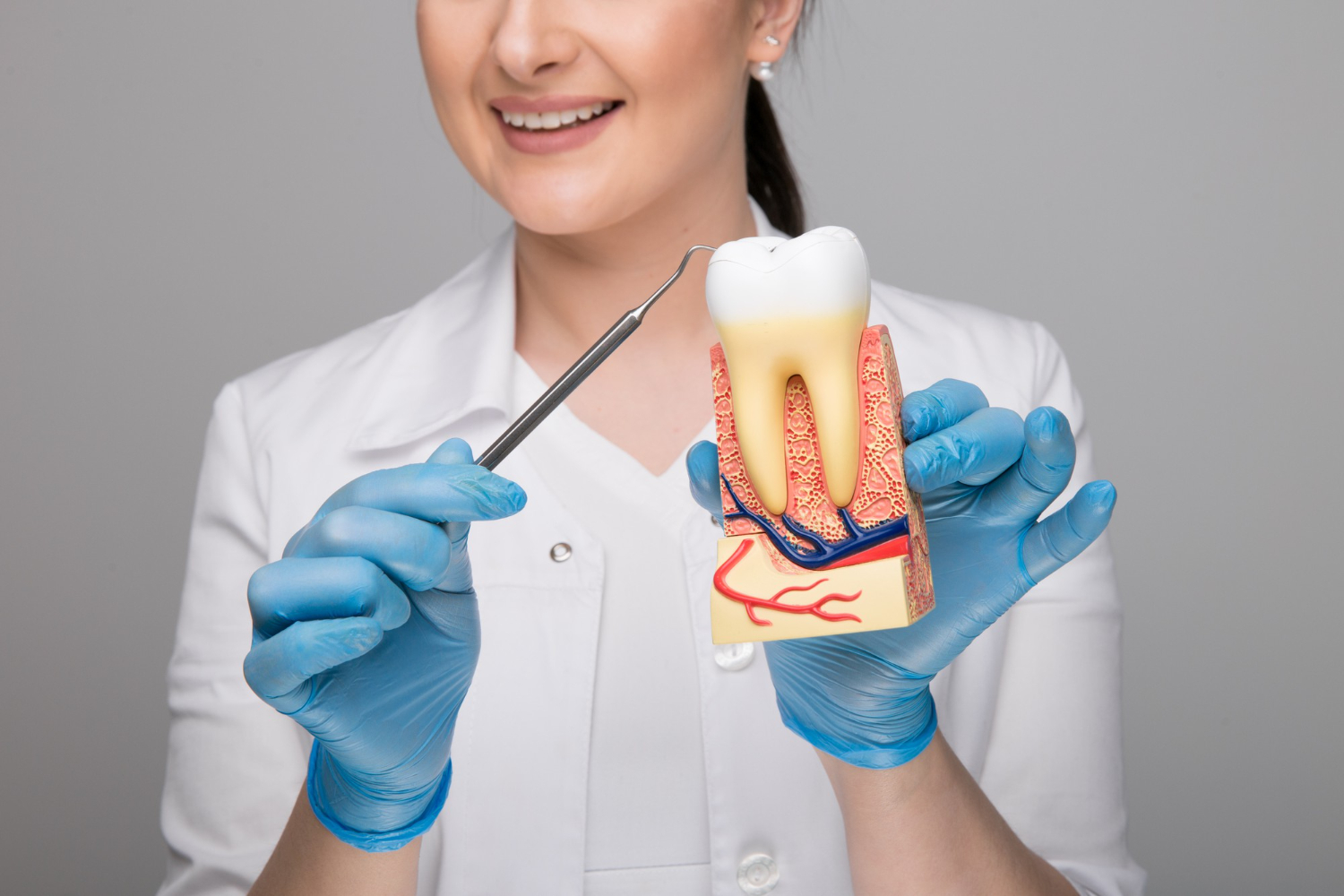
Replacing missing teeth requires an intricate understanding of jaw mechanics and the limits of bone density. Our integrated surgical team utilizes advanced three-dimensional imaging to map out precise placement strategies. This high-level diagnostic guidance ensures your new restorations withstand daily forces without causing stress fractures or structural failures.
Living in Mundelein means enjoying a vibrant local lifestyle near landmarks like the University of Saint Mary of the Lake. When tooth loss disrupts your ability to dine out comfortably, finding an enduring solution becomes essential. Dr. Ryan Bogard combines advanced surgical training with sophisticated technology to rebuild compromised smiles. Our practice uses three-dimensional Cone Beam Computed Tomography to accurately measure bone thickness. This precise mapping ensures the replacement root counteracts cantilevered structural load, which refers to the off-center mechanical pressure exerted on an extended dental restoration during biting. Balancing these forces prevents damage to the surrounding bone. Our multi-generational practice ensures you receive advanced surgical outcomes without being referred out to unfamiliar corporate offices.
A properly engineered dental implant acts exactly like a natural tooth root. Ensuring perfect mechanical balance protects your jawbone and keeps your smile stable for decades.
Biomechanical Precision in Modern Implant Placement
Successful tooth replacement depends heavily on the biological process of osseointegration, where living bone fuses directly with a titanium post. Insufficient bone density or incorrect angulation can lead to early mechanical failure under the repetitive stress of chewing. Our clinical team carefully calculates the distribution of forces to ensure optimal stability within the jaw structure. By analyzing cortical bone density from digital scans, we select the ideal implant size for your anatomy. This rigorous engineering methodology completely removes guesswork from the surgical process, providing predictable outcomes for complex restorative cases.
Common Questions About Dental Implants
What makes specialized surgical planning so critical for implants? Every jaw structure features unique nerve pathways and sinus cavities that must be carefully avoided during surgery. Specialized planning utilizing three-dimensional scans guarantees the titanium post is positioned with sub-millimeter accuracy. This precise control maximizes safety and speeds up your overall recovery time.
Am I a candidate for implants if I have experienced bone loss? Moderate bone loss does not automatically disqualify you from receiving modern dental implants. Our team frequently performs sophisticated bone grafting procedures to rebuild the necessary supportive foundation before placement. We will evaluate your unique structural needs during an initial consultation.
How long does the entire implant process take? Healing timelines generally range from three to six months to allow the post to fuse securely with your jawbone. This foundational period ensures the restoration can withstand heavy biting pressures permanently. Our supportive team guides you comfortably through every phase of treatment.
Schedule Your Dental Implants Consultation in Mundelein
Ready to restore full chewing function and smile with absolute certainty again? Our local practice is located at 852 IL-83, offering convenient commuting routes for residents across Lake County. Contact Markiewicz Dental Care today to schedule an implant consultation with our experienced clinical specialists. We are completely dedicated to delivering outstanding, long-term restorative results for your family.