
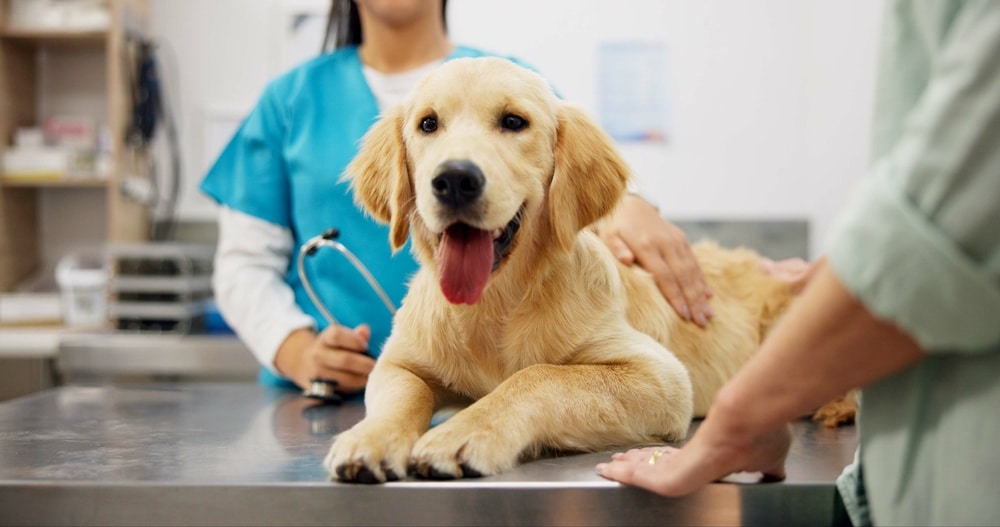
Learn why your dog’s and cat’s dental health matters for their whole‑body wellbeing, how to care for their teeth at home, and how local vets in Mundelein and Libertyville can help.
Why Your Pet’s Teeth Matter (and What You Can Do About It!)
When we think about oral health, many of us think first about our own smile. But your pet’s teeth matter just as much as yours do. Healthy teeth and gums help dogs and cats eat comfortably, prevent pain and infection, and support overall wellbeing for years to come.
Just as routine dental care helps your patients avoid cavities and gum disease, maintaining your pet’s oral hygiene is crucial for their long‑term health. In fact, an estimated 75 percent of pets over age three show signs of dental disease if left untreated.
The Connection Between Oral Health and Whole-Body Health
Just like human dental disease, periodontal disease in pets begins with plaque buildup. Over time, harmful bacteria can spread from the teeth into the gums, then into the bloodstream, increasing the risk of infection in the heart, kidneys, and liver.
Pets often hide pain well, so you might not notice issues until they become significant. Common signs of oral problems include:
- Bad breath
- Difficulty chewing or dropping food
- Red or swollen gums
- Drooling more than usual
- Loose or missing teeth
If you notice any of these signs, consult your veterinarian ASAP!
At-Home Care: Daily and Weekly Habits That Help
Maintaining your pet’s dental health at home can help prevent disease and decrease the frequency of professional cleanings needed over time. The best oral hygiene plans combine daily care with regular veterinary visits.
Here are some essential at-home practices:
1. Brushing Your Pet’s Teeth
Brushing remains the gold standard for pet oral care. Use a pet-specific toothbrush and toothpaste (never human toothpaste). Start slowly by letting your pet get comfortable with mouth touch and scent, then gradually introduce brushing a few teeth at a time.
For guidance, the American Veterinary Medical Association offers recommendations on how to brush and how often to establish this habit safely and effectively.
2. Dental Chews and Toys
Veterinary dental chews and toys help reduce plaque buildup between brushings. They provide mechanical abrasion that supports gum health and encourages gentle chewing.
Not all products are created equal, so check with your veterinarian for options suited to your pet’s size and chewing style.
3. Diet Matters
Some specialized diets help support dental health by incorporating kibble shapes and textures designed to clean teeth as your pet chews.
Discuss dietary options with your vet, especially if your pet has specific health needs.
Professional Dental Care in Mundelein and Libertyville
While at-home care is essential, it is only part of the picture. Pets still need professional dental examinations and cleanings because only trained veterinarians can evaluate the full structure of the mouth, including below the gumline.
In the greater Lake County area, you have access to excellent veterinary teams that provide comprehensive dental services.
Local Veterinary Practices Offering Dental Care
- Mundelein Animal HospitalProvides routine dental exams and cleanings as part of preventive care. Regular professional checkups help identify early signs of dental disease.Mundelein Animal Hospital
- GreenTree Animal HospitalKnown for personalized care and comprehensive pet wellness, including dental cleanings and oral health assessments.GreenTree Animal Hospital
- Care Animal Hospital of LibertyvilleOffers gentle dental care tailored to each pet and can perform dental surgery or extractions when needed.Care Animal Hospital of Libertyville
- Libertyville Animal HospitalA long-standing clinic offering dental assessments, general health care, and individualized treatment plans. Libertyville Animal Hospital
Veterinary dental cleanings often include:
- Thorough oral exam under sedation
- Scaling and polishing of teeth
- Full-mouth radiographs if needed
- Treatment for advanced disease (extractions or periodontal therapy)
If you’re in a pinch and need Pet Transportation to or from the veterinary, Paige’s In-Home Pet Care offers flexible pick up and drop off transportation options to get your pet to their appointment.
What to Expect During a Veterinary Dental Visit
During a professional pet dental appointment, your veterinarian will typically:
- Perform a comprehensive oral exam, including gum and tooth condition.
- Take dental radiographs if deeper evaluation is needed.
- Clean above and below the gum line with specialized instruments.
- Address any disease or damage found, such as extractions.
These steps are similar to how a human dentist ensures every part of the mouth is healthy and functioning properly.
Why Early Prevention Makes a Difference
Regular dental care throughout your pet’s life not only helps prevent tooth loss and painful infections but also supports their overall health.
According to veterinary dental experts, dental disease can begin as early as three years of age in pets, so preventative attention is key.
Signs You Should Contact Your Pet’s Veterinarian Right Away
Even with consistent home care, dental issues can still arise. Seek veterinary attention if your pet experiences:
- Severe or persistent bad breath
- Bleeding gums
- Pain or reluctance to eat
- Frequent pawing at the mouth
Prompt attention keeps minor issues from becoming major health concerns.
Connecting Pet Dental Health With Human Dental Health
While we cannot directly link human dental practices to veterinary dentistry procedures, the principles of oral health are universal:
- Preventative care prevents more serious problems
- Bacteria buildup affects systemic health
- Routine checkups catch disease early
Just as patients trust their dentist for ongoing oral care, pet owners rely on their veterinarian to protect their companion’s dental health.
Strong smiles matter for all members of the family, two-legged and four-legged alike!
Final Thoughts
Taking care of your pet’s teeth is not optional, it is a vital part of their health that affects their comfort, nutrition, and quality of life. Combining consistent at-home care with regular professional dental visits helps ensure your furry family member stays happy and healthy for years to come.
If you have questions about dental care routines, home brushing techniques, or local veterinary dentists, reach out to your veterinarian or refer to trusted resources like the American Veterinary Medical Association for guidance.
And if your pet is due for a dental check or you would like help establishing a home care routine, professionals in Mundelein and Libertyville are ready to support you and your companion every step of the way.
About the Guest Author
This article was written by Paige’s In-Home Pet Care, a professional pet sitting and dog walking company serving Mundelein, Libertyville, and the rest of Lake County, Illinois. Paige’s In-Home Pet Care specializes in personalized, in-home services for dogs, cats, puppies, and senior pets, helping families maintain consistent routines and attentive care while supporting pets’ overall health and well-being.
By working closely with local veterinarians and staying informed on preventive care practices, Paige’s In-Home Pet Care believes that healthy habits, including dental care, play an essential role in a pet’s quality of life. To learn more about their services or schedule care, visit https://www.paigespetcare.com/