
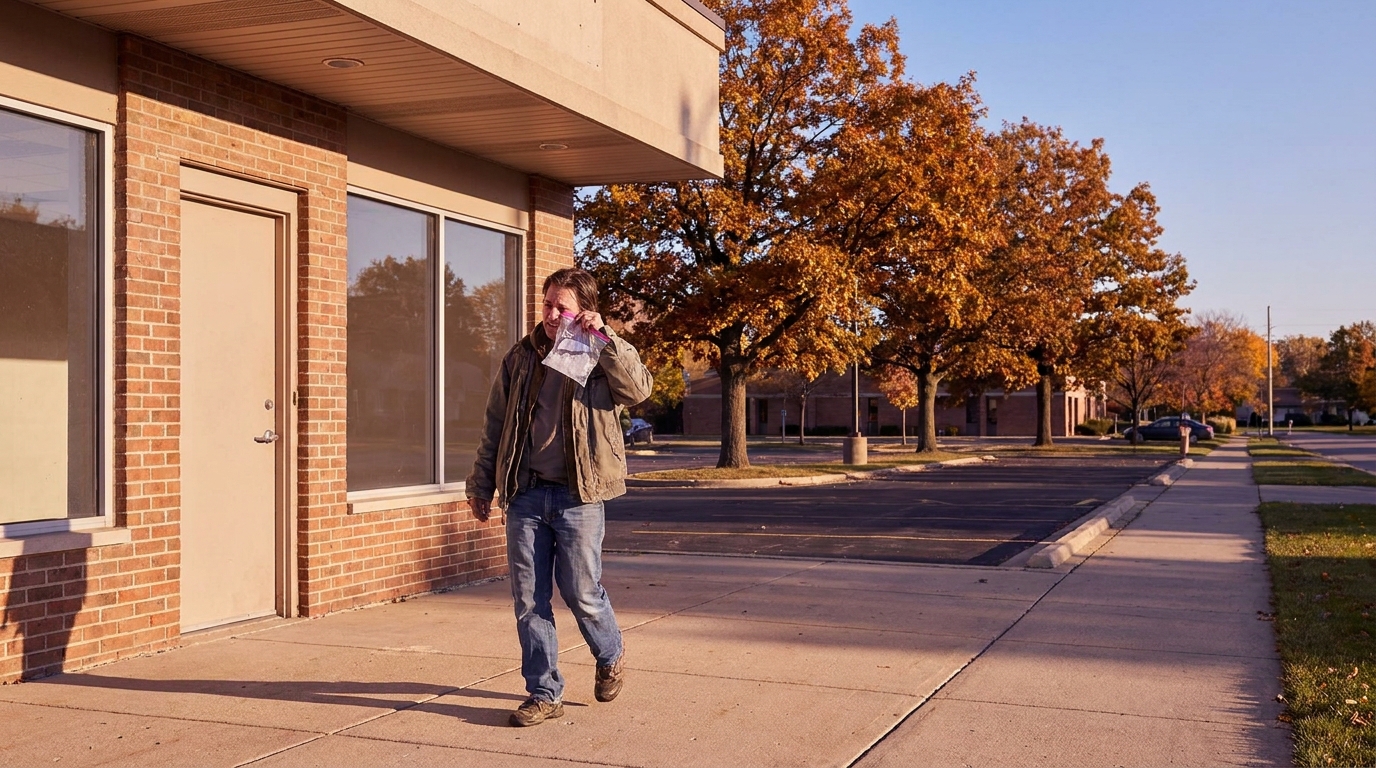
If you're facing a dental crisis in Mundelein right now, here's the straight answer: call a dentist immediately for severe pain, a knocked-out tooth, a dental abscess, uncontrolled bleeding, or a broken tooth with soft-tissue injury. If you're having trouble breathing, swelling that's spreading into your neck or face, or trauma involving facial bones, skip the dental office and go to the emergency department or call 911 — those are life-threatening situations per ADA guidance.
Everything else — the throbbing molar, the crown that popped off at dinner, the chipped front tooth from a basketball elbow — is what dentistry calls urgent care. It needs attention fast, but it's handled in a dental chair, not an ER. At Markiewicz Dental, appointment time is held open every morning for exactly these situations.
What counts as a dental emergency versus urgent dental care?
A true dental emergency is life-threatening: uncontrolled bleeding, a diffuse soft-tissue infection with swelling that could compromise your airway, or trauma involving facial bones that threatens breathing. Those situations go to a hospital. Urgent dental care covers severe pain from pulpal inflammation, abscesses, tooth fractures causing pain or soft-tissue trauma, and dental trauma with avulsion or luxation — serious, but managed at the dentist.
The distinction matters because it tells you where to go first. The American Dental Association draws this line clearly, and it changes your next sixty minutes. If your face is swelling toward your eye or down your neck, if you can't swallow, if you can't breathe comfortably — that's a hospital trip. If your tooth is screaming but your airway is fine, the dental chair is where the problem actually gets solved.
A lost crown or temporary restoration causing gum irritation is also on the ADA's urgent list. It feels minor compared to a knocked-out tooth, but leaving an exposed tooth structure open risks fracture and deeper decay within days.
What should you do in the first hour?
Act within the hour and your outcomes improve dramatically — especially for a knocked-out permanent tooth, where every minute outside the mouth reduces the chance of saving it. Rinse with warm water, control bleeding with gentle pressure, and get on the phone with a dentist before you do anything else. Home steps buy time; they don't replace treatment.
Here's what the ADA recommends for the most common situations:
- Knocked-out permanent tooth: Pick it up by the crown, never the root. If you can, place it back in the socket without touching the root. If not, keep it moist between your cheek and gums, in milk, or in an ADA-accepted preservation product. Get to a dentist right away.
- Cracked tooth: Rinse your mouth immediately with warm water and put a cold compress on your face to keep swelling down.
- Toothache: Rinse with warm water and gently floss to remove any trapped food. Do not place aspirin directly on the tooth or gums — it burns the tissue.
- Lost crown or filling: Save the piece if you can. Keep the area clean and avoid chewing on that side until you're seen.
For abscesses — a swollen, painful bump on the gum — don't try to drain it yourself. That's an urgent dental visit, often paired with antibiotics and definitive treatment of the underlying tooth.
How does same-day emergency dentistry actually work in Mundelein?
Same-day emergency dentistry in Mundelein works because most dentists reserve time in their daily schedules for emergencies — Markiewicz Dental, at 852 IL-83, holds appointment time open every morning for urgent care including swelling, a broken front tooth, a lost crown, or pain that kept you awake. You call, describe the problem in detail, and you're worked into that reserved slot the same day when possible.
The call itself matters. Tell the front desk what happened, when it started, where it hurts, whether there's swelling or bleeding, and whether you're on any medications. That detail decides whether you're triaged into the next open slot, directed to the ER, or guided through at-home steps while a slot opens.
Markiewicz Dental is open Monday through Thursday from 7:00 AM to 4:00 PM and Friday from 7:00 AM to 1:00 PM. Early-morning appointments five days a week — combined with the held-open emergency slots — mean a weeknight toothache often gets handled before you'd otherwise head to work. The office sits on Route 83 with free parking at the door, which matters when you're driving in distracted by pain. Patients come from Mundelein, Libertyville, Vernon Hills, Hawthorn Woods, Grayslake, and the broader Lake County area.
What happens during the appointment — and what comes after?
An emergency visit focuses on stabilizing the problem: stopping pain, draining infection, repositioning a displaced tooth, placing a temporary restoration, or protecting a fracture. Definitive treatment — a crown, a root canal completion, an implant — usually follows at a second visit once the acute issue is controlled. Emergency care is triage, not the whole treatment.
Diagnosis moves quickly with digital imaging. Markiewicz Dental uses 3D CBCT imaging, AI-assisted X-ray interpretation, and intraoral scanners to see exactly what's going on without multiple appointments of guesswork. In-house digital printing means provisionals and night guards can be produced on-site rather than ordered from an outside lab, which shortens the gap between the emergency visit and the final restoration.
Because there's a board-certified periodontist on staff and four doctors practicing in one building, gum infections, implant complications, and complex trauma can often be addressed in-house without a referral elsewhere. For anxious patients, sedation dentistry is available for the visit itself.
Follow-up matters. General health guidance recommends seeing a provider within 7 days after an emergency visit, even if you feel better — the same principle applies after an emergency dental appointment. Pain relief doesn't equal healing, and skipping the follow-up is how a stabilized tooth becomes an extracted one six months later.
Common dental emergencies and first response at a glance
| Situation | First response | Where to go |
|---|---|---|
| Knocked-out permanent tooth | Hold by crown, keep moist in milk or socket | Dentist, immediately |
| Severe toothache | Rinse with warm water, floss gently, no aspirin on gums | Urgent dental visit |
| Cracked tooth | Warm water rinse, cold compress on face | Urgent dental visit |
| Abscess with localized swelling | Warm water rinses, no DIY draining | Urgent dental visit |
| Lost crown or temporary | Save the piece, keep area clean, avoid chewing on it | Urgent dental visit |
| Swelling threatening airway, trouble breathing, facial-bone trauma | Call 911 or go to ER | Hospital emergency department |
Frequently asked questions
Is a chipped tooth a dental emergency?
A small chip without pain usually isn't a true emergency, but it is urgent care if it's causing pain or cutting your tongue or lip. The ADA classifies tooth fractures resulting in pain or soft-tissue trauma as urgent dental conditions. Call the same day, rinse with warm water, and apply a cold compress if there's any swelling while you wait to be seen.
Can I go to the ER for a toothache?
You can, but an ER typically can't fix the tooth — hospitals manage pain and infection and refer you back to a dentist for the actual treatment. The ADA notes that urgent dental care exists specifically to relieve severe pain and infection while easing the burden on hospital emergency departments. A dentist is faster and more definitive for toothaches, abscesses, and fractures.
How quickly can I be seen for a dental emergency in Mundelein?
Markiewicz Dental holds appointment time open every morning for urgent and emergency care, so same-day visits are common when you call early. The office is open Monday through Thursday 7:00 AM to 4:00 PM and Friday 7:00 AM to 1:00 PM. Call as soon as the problem starts — the earlier in the day you reach the front desk, the more flexibility there is to fit you in.
What should I do if my tooth gets knocked out at a kid's hockey game?
Find the tooth, pick it up by the crown — never the root — and keep it moist. Try to place it back in the socket if you can do so without touching the root; otherwise tuck it between the cheek and gums or drop it in milk. Then get to a dentist right away. The ADA also recommends wearing a mouthguard during sports to prevent exactly this.
Will emergency dental work finish everything in one visit?
Usually no. Emergency dentistry stabilizes the problem — stopping pain, controlling infection, protecting the tooth — but definitive treatment such as a permanent crown, finished root canal, or implant often comes at a follow-up visit. That's why scheduling the follow-up before you leave matters, even if you feel fine by the next day.
What about weekends and after hours?
Markiewicz Dental is closed Saturday and Sunday. If a true life-threatening emergency occurs after hours — airway-threatening swelling, uncontrolled bleeding, or facial-bone trauma — go to the hospital emergency department or call your local emergency number. For urgent but non-life-threatening problems that start over the weekend, call first thing Monday morning to be placed into the day's reserved emergency slot.
When something goes wrong, call early
Most dental emergencies get easier the sooner they're seen. A knocked-out tooth has a real chance of being saved if it's back in the socket within the first hour. A toothache diagnosed Monday morning rarely becomes the root-canal-plus-crown ordeal of a tooth ignored until Friday. The window matters, and it closes faster than people expect.
Readers in Mundelein who want a dental crisis handled professionally can reach Markiewicz Dental at (847) 566-2811 or https://www.amdds.com.