
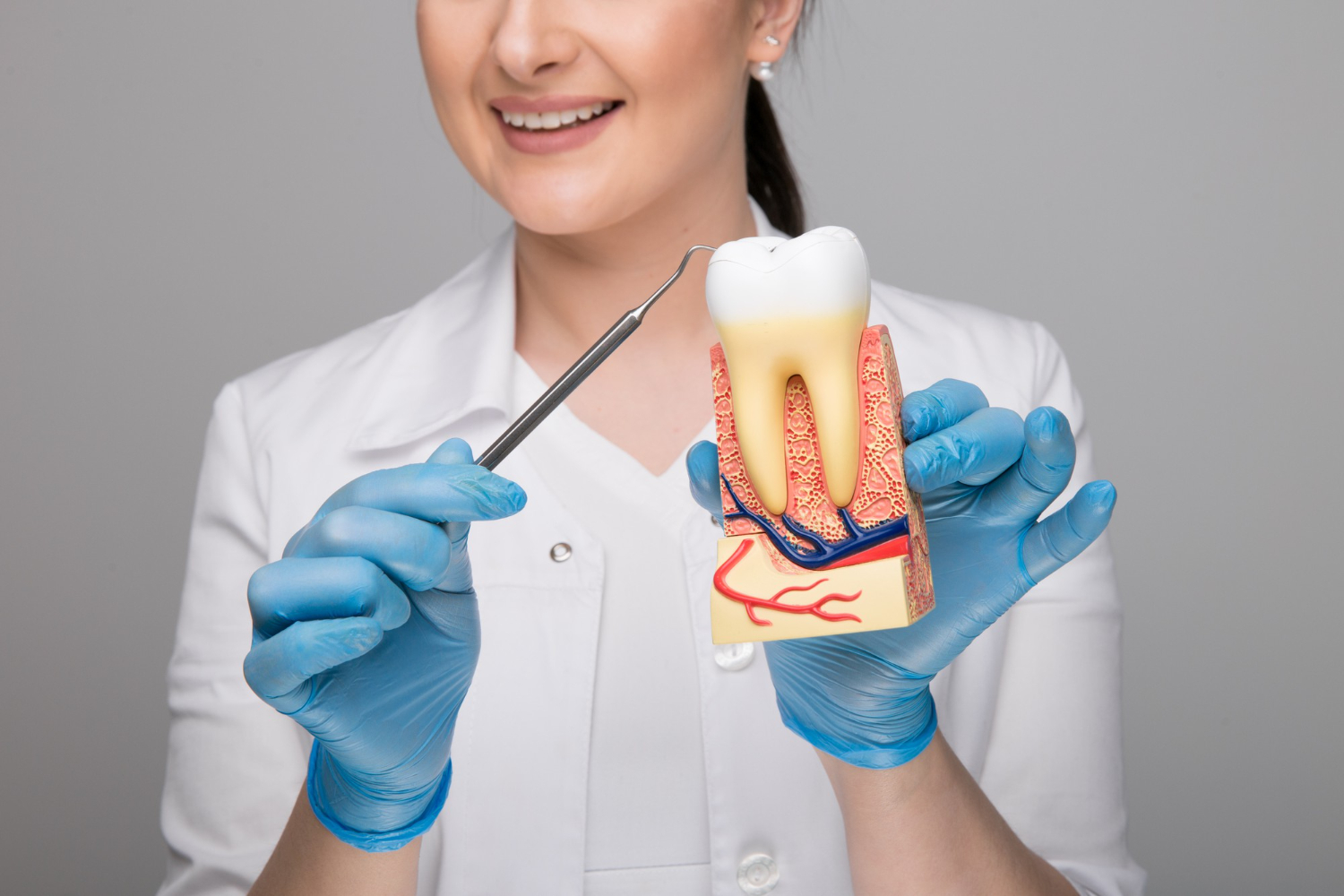
Dental Implants
Replacing missing teeth requires an intricate understanding of jaw mechanics and the limits of bone density. Our integrated surgical team utilizes advanced
Read moreRestorative & Implants
The short version
A dental implant is a small titanium post that replaces the root of a missing tooth. Once it bonds with your jawbone, it supports a custom crown that looks, feels, and functions like a natural tooth — and unlike bridges or dentures, an implant actually preserves the bone beneath it.
At Markiewicz Dental in Mundelein, IL, implant care happens under one roof: 3D imaging and digital planning, surgical placement, and your final restoration — with Dr. Ryan Bogard, our board-certified periodontist, on staff for surgical expertise most general practices refer out.
Medically reviewed by the doctors of Markiewicz Dental

Why patients choose it
Unlike a bridge, an implant stands on its own. Healthy teeth on either side are left alone.
The jaw shrinks where a tooth is missing. An implant keeps that bone loaded and stable.
Steak, apples, corn on the cob. An integrated implant handles full biting force.
CBCT planning and a surgical guide place the implant within fractions of a millimeter of plan.
The crown is shade matched and contoured to your gum line so it disappears into your smile.
Surgery and restoration are both done here, by doctors who talk to each other daily.
Losing a tooth affects more than your smile. The jawbone that held the tooth begins to shrink without a root to stimulate it, neighboring teeth drift into the gap, and your bite slowly changes. The longer a space sits empty, the more these changes compound.
Bridges and dentures can fill the visible gap, and they’re still the right choice for some patients — but they don’t stop bone loss. An implant is the only replacement that works like a natural root, keeping the bone active and your remaining teeth where they belong.
Every implant starts with a cone beam CT scan — a detailed 3D image of your teeth, roots, nerves, and jawbone. It lets us map the exact position, angle, and depth for your implant before anything happens in your mouth. We also take digital impressions with our iTero scanner instead of goopy molds, capturing the precise detail your custom restoration is built from.
The implant is placed with local anesthetic in a procedure most patients find far easier than they expected. Over the following months, your jawbone grows around and bonds with the titanium post — a process called osseointegration. That bond is what makes an implant so stable: it literally becomes part of your jaw.
Some patients need groundwork first. If bone has shrunk where the tooth has been missing, bone grafting can rebuild it. For upper back teeth near the sinus, a sinus lift — performed using a gentle hydraulic technique — creates the room and bone depth an implant needs. If your case calls for either, we’ll explain exactly why and what’s involved before anything is scheduled.
The last step is attaching your custom crown — designed from your digital scans, matched to your natural teeth, and built from durable, biocompatible materials. It’s made to handle everyday chewing for the long haul, and you care for it much like a natural tooth.
Because the implant is anchored in bone rather than resting on the gums, it transmits chewing pressure the way a real root does — so eating feels normal, speech is unaffected, and there’s nothing to take out at night. Patients who’ve worn removable dentures often say this is the difference they notice most.
Markiewicz Dental has served Mundelein and the surrounding communities — Libertyville, Vernon Hills, Long Grove, and across Lake County — for decades. Implant treatment here means your imaging, surgery, and restoration are coordinated by one team with one set of records, and you see familiar faces at every stage. If you’ve been told you need an implant, or you’ve been living with a missing tooth and wondering about options, a consultation is the place to start.
Questions
Patient reviews
Dr. Markiewicz walked me through my implant plan on a 3D scan so I understood exactly what would happen. The surgery was far easier than I expected and the tooth looks completely natural.
Ready to find out if an implant is right for you? Call Markiewicz Dental at (847) 566-2811 or request an appointment online. Advanced implant care, close to home in Mundelein.
From the practice
Replacing missing teeth requires an intricate understanding of jaw mechanics and the limits of bone density. Our integrated surgical team utilizes advanced
Read more
Missing most or all of your teeth can affect how you eat, speak, and feel about your smile. As a licensed dentist, I often meet patients who want a clear plan
Read more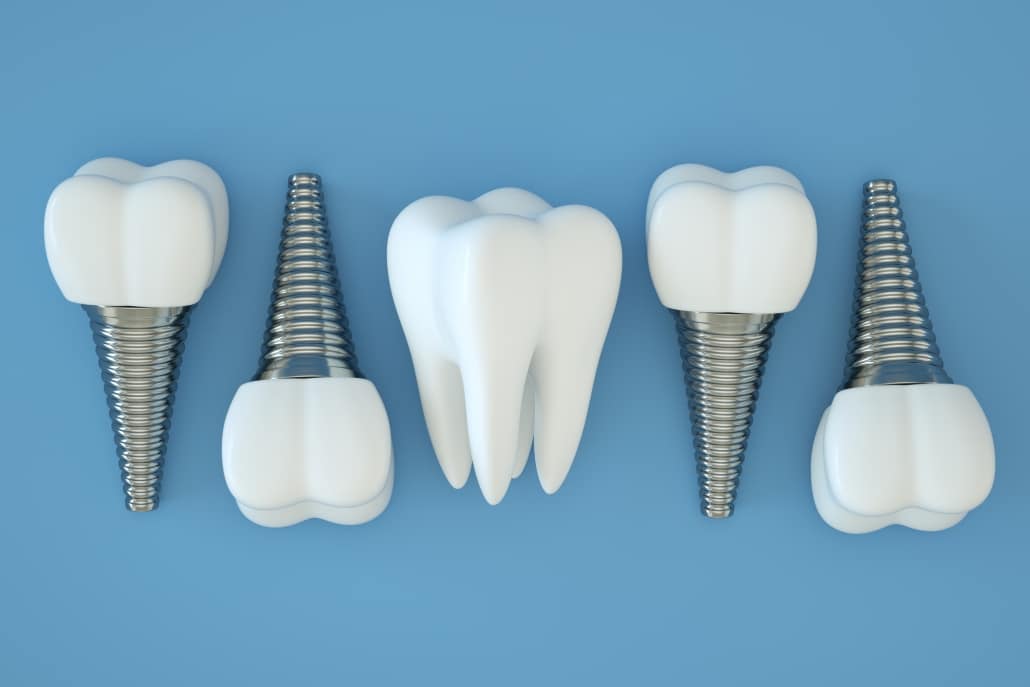
Looking for a permanent solution to missing teeth? Learn how All-on-X dental implants from Dr. Ryan Bogard at Markiewicz Dental in Mundelein can restore your
Read more